Transcript
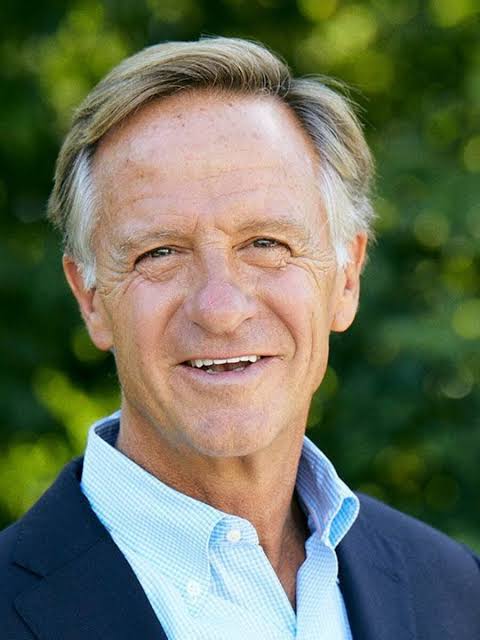
Kate Bowler: There are some questions you can avoid for a surprisingly long time. If you grew up Mennonite in Canada and then you moved to the States and then everyone says, politically, what are you? You kind of just get to say, I don’t know, probably not what you are. So the Mennonoites are a tradition that has historically looked at the very complicated relationship between church and state and said essentially, no, thank you. Uh, the church is not in the business of making spiritual promises to the state. I will be over here practicing my faithfulness. In an alternative way, which means that despite being a historian of American religion, I have managed to sidestep most of the thornier questions in American life about civic engagement. But you know, the same questions always remain. What does faithfulness look like when you have power? When you have to make decisions that affect people you will never meet? And when every good decision has a trade-off and everybody has an opinion about what you should do. What is the faithful choice? This is Everything Happens, and I’m Kate Bowler. I started to think about these questions a little bit differently after I went to the retirement ceremony for a very good friend, Dr. Vivek Murthy, who had spent so many years serving as Surgeon General of the United States. And this was, it’s probably the best thing I’ve ever been asked to do. He asked me to emcee his retirement going away thing. Which everyone agreed was hilarious because I understood approximately 0% of the ceremony or the very Americanness of it. And at one point, just to give you a sense of how much ceremony I had to oversee, I had yell with great authority, ring eight nautical bells. And then someone would be in the back being like ding, ding, and then I tried very hard to look like I knew exactly what was happening. But then I watched my lovely friend move around the room. Thanking the people that he had served alongside. He bowed before his parents to ask for a blessing. The whole thing was so beautiful. Like these were people in the Surgeon General’s office who had just spent years trying to make good public health policy, like carefully, rigorously, often invisibly. And I just remember thinking, oh, maybe government work can look like this kind of faithfulness too. Which is how I ended up inviting former Tennessee Governor Bill Haslam to come talk with me about civic life and faith. Bill Haslem served two terms as governor of Tennessee and before that, as mayor of Knoxville. I love watching him think and lead. He listens with unusual care to people that he agrees with and people that doesn’t. And he thinks very seriously about the difference between bringing your faith into public life and simply using your faith. To get what you want. So today, taped in front of a room full of future pastors during my class at Duke Divinity School, I wanted to ask the former governor about his calling and what these callings might have in common. How do we serve people we disagree with? How do make decisions when there isn’t one obviously right answer? And please, dear God, can we turn down the contempt we have for one another? All right, so here’s my conversation with Bill Haslam.
Oh, hello. Hello.
Bill Haslam: Thanks for having me. I’m glad to be here. We have some great friends that live here. So we had to kill two birds with one stone.
Kate Bowler: Part of the introduction that I missed was one of my very favorite things, is that you have a podcast with the former governor who is not of your political stripes. I wondered if you could tell us a little bit about the premise of your podcast.
Bill Haslam: Yeah, so it’s called You Might Be Right, and we stole the title from a former senator from Tennessee named Howard Baker, had us saying that always remember the other fella might be right. And it’s a good place to start. In politics, as people of faith, we know we don’t get things right all the time in terms of our own lives. So it’s reasonable to assume we don’t t get everything right in terms of our decisions and philosophies about public life. So. The idea was we thought the world has enough of two people on cable TV yelling at each other. What if we took heart issues, whether it’s gun control, abortions, school choice, whatever, and tried to get two thoughtful people to present different sides, different perspectives on one of those heart issues. All I did then, like one of the things I learned being in office as mayor and is most decisions, almost every decision. Is a lot more complex than it looks like. Like when you’re watching it on TV, it’s like obvious, you know, take Dore. But in real life, it doesn’t work that way. And any of you all who have had to lead or manage anything have experienced that. Like, you know this decision is way more complex than I thought it was. Yeah.
Kate Bowler: It does feel very countercultural right now to learn to speak nuance fluently. We had sociologist Mark Chaves come to speak with us last week. And one of the things he had said with the National Congregation Survey that they just released was that in terms of the relationship between the ability to speak politically fluently, it’s almost like, and he didn’t put it this way, but just metaphorically, that’s how it took it, is that. It’s almost like politics is now a first language and then faith is a second language.
Bill Haslam: It’s 100% true. I mean, it’s unfortunately, far too many of us are way more defined by our political view than we are by what we hold to be deeply true. And I can think of a lot of people I know that I know them well. And again, they’ve had a deep faith life in the past, but that has somehow gotten swallowed up by the current, you know. Current environment in a way that’s just not healthy, not just for society, but for them.
Kate Bowler: I think I just hadn’t thought, honestly, that the reverse was also true, that people who were new to politics were learning to speak faith as a second language.
Bill Haslam: Well, it all depends on where you are. And I’m a Republican, and you talked about my predecessor, Phil Brasswell, who’s a Democrat. That’s kind of the whole idea of doing this podcast together. But I’m going to say, as a Republican in a primary, faith is actually your friend. It’s very conducive, like, oh, that person’s a Christian. I think I’ll vote for him in a Republican primary. Not necessarily so true in a Democrat primary. So as I say, the challenge in political office it is. To make sure that you’re being used by God, not using God. Because using God can be very politically advantageous.
Kate Bowler: I did really wonder if so much of the public language now is so coded as conservative, the faith, that faith language is so directly coded as conservative that if you’re center or center left, it’s almost like people need to be like two glasses of wine in to admit that they go to a local Presbyterian church or.
Bill Haslam: Although you’re getting ready to see that challenge right now in the midterm elections. So in Texas right now, there’s a Senate race between Ken Paxson, who’s been the attorney general, a Republican, and James Tallarico, who is the Democrat. And Tallarica talks openly about his faith. It’s what I’d call a center-left faith. But he’s talking openly about it. And people are saying. That can actually now work out to its political advantage because folks have said before like, well, okay, if you’re Democrat, then you’re kind of faith-averse. And Taylor Rico and others are kind of saying not so fast. I mean, I think we have a lane to run in here.
Kate Bowler: Sometimes there’s just an enormous open space where you would imagine a faith identity and you realize it’s being filled in by almost every other noun before somebody says, wait a minute, don’t we all go to a local Episcopal church? One thing that you talk very openly and compassionately about is the degree to which we are divided and feel almost immediate anger and assumption about a stranger or people in our family. Could you offer us like a little, like a scope of how you think that happened?
Bill Haslam: So this isn’t my term, you can tell, but there’s something called motivation attribution asymmetry. And that’s how much, not just you disagree with the other person, but you think they ended up with their viewpoint for bad motives. It’s not like, oh, they only think that because X, Y, Z. And this is, this is 10 years ago. Okay. So you know it’s way more now, but the motivation attributions of symmetry between the right and the left in the US was greater than that between the Palestinians and the Israelis. So it shows you that’s how strong the, not just I disagree with you, but you’re wrong and you’re wrong because you have bad motives. I see.
Kate Bowler: How do you think, if you’re just thinking of your decades in public service, did it feel like it was just a steady crescendo or which like pivot points do you think really kind of turned up the volume?
Bill Haslam: Well, I mean, it’s kind of interesting. I would have never ever run for mayor and then run for governor. I mean it sounds a little hokey, but I really feel like I was called to run and as my wife, Chrissy, who’s here would tell you like, that’s how elections work. You decide if you’re called to run, and the electionists decide if your called to serve. That’s kind of how it works. It’s like, we’ll see, you know. And then so you kind of go run your race as faithfully as you can. But I really, I don’t think I would’ve ever run if it wasn’t, If I wasn’t a Christian, I just don’t think I would have. I thought at one point in time about actually being a pastor, came this close to going to seminary, and was really assuming that’s what I’d do, and then for a lot of reasons decided that wasn’t the right path. But once I got in office, I thought, first of all, it kind of feels like being a pastor when you’re a mayor. You’ve got a big congregation, and everybody has a different idea about what you should make a priority like. Y’all aren’t spending nearly enough on middle school ministry, or we need to do a lot better on our overseas missions, or whatever it is, you’re not spending enough money on worship, and that’s kind of what it’s like in government. All of them are good ideas, you just can’t do everything. And so there was a sense of that, but also a sense being able to reach into people’s lives because you are involved in all these moments and instances in their lives. I think the other thing is you start to, you get such a great chance to live out what you believe. And back to the, we talked about the side of our podcast that you might be right. I mean, again, as Christians, we believe that, you know, we’ve fallen and fall short of the mark. That’s kind of part of the whole Christian theology. And you get a real chance to do that in office, to realize like, I could say, here’s what I think, or I could help me understand a little better because I’m pretty confident, there’s a chance I might not have this right, so. I want to walk out of here with a better answer than I walked in here with when we’re trying to make a big decision.
Kate Bowler: I imagine, I’m just thinking of you as a pastor and you as, as a government leader. And I imagine the way that you try to see where they’re going before they maybe get there, try to front load careful, intentional questions early on without front loading your presuppositions. Like, what are some of your pastoral habits?
**Bill Haslam:** Listen, I do think this, I think part of leading is learning how to ask the right questions. Listen, as a governor, you’re responsible. States, we have a mental health program. We have National Guard troops stationed all over the world. We’re educating everybody from kindergarteners to PhD students. We have a department that helps people with disabilities. I can go on. There’s no way you can know enough about all that to make all those decisions. And yet… Derek’s sitting down with a budget and saying, here’s all our possibilities and we can do this or that or that, but we can’t do them all. So what do you wanna do? And I’m thinking, oh, you want me to decide that? And so you realize like, there’s no way you can do other things. So I better learn to ask the right questions so we can get to better answers. I think that’s part of his realization. Like I’m just not gonna get to the best place all by myself. Yeah.
**Kate Bowler:** That’s funny, I was just reading one of the diseases of modernity is hyper-specialization, is that we only know little chunks of things, and then it can become quite, I mean, it makes it difficult for us to be moral or to live in communities, because we’re like, well, I only know my thing.
**Bill Haslam:** I’ll give you a real life example that in my other life, I’m also involved in our hockey team in Nashville and I had to hire a new general manager. And so I went out and interviewed a ton of people, people that had the position, and then a lot of people who were assistant general managers. But what I realized in all these conversations is, each one of us, they’d had like, one of them had been in charge of scouting and one had been charge of development, one had be in charge contract negotiations, but all these guys, they were great, but they had never done all of it. And so you had to decide, am I gonna? Take that leap of faith and say, I know you’ve never done all this, but I’m gonna see if you can. Because like I said, like in everything else, we become very specialized. So I get a word to all of us, like try to not be that person. It’s like, I know this really well and that’s kind of it. Yeah.
**Kate Bowler:** I think that’s also such a good bit of encouragement for young people and particularly for women who are socialized into, I have to know everything or else I’m not allowed to have an opinion about it. It sounds like this kind of cultivated humility also creates an enormous opportunity to lead.
**Bill Haslam:** Listen, I think people are actually drawn to other people who admit they don’t have all the answers. And if we can part of being a leader is trying to create an environment where people feel free to say, I don’t quite get that. I don’t have it. But if you have a group of people like that, then you can get to a better place.
**Kate Bowler:** Long time ago you mentioned that there may be an inverse relationship in our culture between what we want in a leader and our love of humility.
**Bill Haslam:** It’s a really interesting question because what, if you look, what studies have shown is people in the US today, they want a strong leader. They want somebody that says, this is good, this bad, we’re going to do this and we’re going to wipe that out. And we tend to think, no, we don’t, we want somebody. That’s more like be participatory in that and get different opinions, et cetera. But it’s shown that in our world is changing so much. It’s so confusing. People want somebody with clear, direct answers. But as you and I know, like, if you’re going to take a humble approach to leadership, that’s just really not going to be very effective in the end. What studies have shown is this, the very best leaders are people who are very focused on whatever the mission is. Leading a university, selling more potato chips, whatever it is you’re trying to do. But they combine that with a sense of that the story is not about them. And so if you think about it, that’s a pretty biblical picture of what we’re supposed to be like. Very focused like in on what we’re called to do, but a sense of like, you know, the good news is, I get to be a part of this big thing God is doing. The bad news is the story’s not about me. And, and leaders that kind of get that and realize the story is not about them, end up I think, and actually studies have shown being the most effective. Like, I will never ever again, hire somebody that I think they’re great, but they have a big ego. I just won’t, because it just never ends well. Or I’ll never hire somebody who I wouldn’t work for myself. I go, oh, they’re great, but I don’t have to work for them, but boy, they produce a lot of great results. Like, I just, I won’t do it on my own. So I think it is tied back to, in the end, while people think they want this, you know, the world’s so turned upside down, we need somebody that’ll lead us definitively. That’s fine if they can bring it, mix it with humility and know the story’s not about them.
**Kate Bowler:** It just matches what I was reading today about, I was just looking at the political affiliation of how people identify whether they wanted a strong leader or what they wanted, a definitive this. And I just, you rounding out the picture with being pro-nuance, pro-context, a deep, careful listener and question asker starts to look a lot less like certainty. I know we know intellectually that we are in. Like an umbrage economy, that outrage is one of the clear goals of so much of what we consume. But I think you’ve lived through like a pretty steep rise in the kind, how would you like characterize the
**Bill Haslam:** It is so, I mean, I first ran for mayor in 2003, and then I left office in 2019, okay? So 16 years later, and the… The degree of difference is amazing. Two or three things have happened. One, remember social media rewards outrage. You put something outrageous up there, more people click it and forward it. That’s just what the data shows. Number two, that’s who gets on cable. They need to entertain people 24 hours a day, so you need that. Number three, everything has become nationalized. So if you’re running for school board in Durham and you go knock on doors in a neighborhood, they’re gonna say, What do you think about Donald Trump? They just are, okay? Or what do you about Joe Biden, whatever. Everything’s become nationalized. And four, there’s very little local media anymore. So people just aren’t aware. I mean, everybody used to watch the local news and get the local newspaper. I won’t ask for a show of hands here, but people don’t do that anymore. And so there’s just a lot less local awareness, which means everything’s nationalized and all that’s so polarized. It’s just the food fight from go. Hmm, I hadn’t
**Kate Bowler:** I guess I hadn’t thought enough about how local becomes inherently, I guess, more proximate, more communal. Does it inherently make it more nuanced?
**Bill Haslam:** It does, because, listen, what I understood, what decision I made as mayor, again, people liked it, but like, you know, there was a mayor of New York, one of the airports named after Mayor LaGuardia, who kind of famously said, there are no Republican or Democrat potholes. You know, and mayor’s job, you’re like, hey, people want you to fix the road and get their trash picked up. It’s all that everyday stuff. And so, as the focus went away from that in local news, people started everything about him like. Show up on somebody’s door and how do you feel about gun control? How do you think about abortion? How do feel about Trump? Whatever it is, that’s where it went in, and that kind of starts you, everybody goes to their corners.
**Kate Bowler:** If, I mean, everybody in this room is going to be leading in some capacity, a community or a conversation that will involve faithfulness in politics, like, how should, how do you define the great good of politics?
**Bill Haslam:** Well, politics is how we make decisions as a group, whether it be what textbooks are our third graders going to read, or what’s going to be our policy toward the Russia-Ukraine War. Whatever it is, that’s how we decide it. And so the… What I don’t want people to do is to say kind of a pox on both of their houses. I’m over all this. I don’t like the Republicans and Democrats make me mad. Just pox in both of there houses. We’re gonna, because that’s just not good for society. I wanna say one other thing, and you might say, that’s surprising, but don’t say I’m no longer gonna participate in a party primary. Because if you do, then by the time you get to vote, that cake is baked. And you’re probably going, this is my data shows, this is in my opinion too, the most partisan people participate in primaries. That’s just every data shows that. So what happens, there’s actually more, you would think this is not true, but there’s more independence today than there ever been. You think, well, that should be good for all this polarization. Actually not, because that just means fewer people taking place in party primaries, the extremes are the ones electing the candidates. And then they send those two candidates to the general election and you decide which one of them you’re for. And you’re like, I don’t like this choice. I’m like, should have been playing back in July and not waited till November. Ever.
**Kate Bowler:** In Canada, we have five viable parties. That’s right. Totally confusing. I swear to you, it makes me want to be like, in Canada, we have 5 viable parties? One of the things I’ve always appreciated about that is I actually find it very difficult to typecast my friends because what you vote for provincially, you don’t necessarily vote for nationally. It feels like we’ve taken on labels more than we’ve take on issues. And you’re very opinionated on being very policy focused.
**Bill Haslam:** Listen, all this stuff matters. If you ask me big lessons from being in office for 16 years, it’d be who we elect matters way more than I thought. I thought it mattered, and it matters way more that I thought, and you can divide it left and right. I actually have come to divide it between people who are there just trying to make a point versus people who were trying to a difference, and those are two very different approaches to things. And today’s political world unfortunately rewards rhetoric. It doesn’t reward resume nearly as much as it does rhetoric. And like, I had people all the time, and Chrissy can tell you this, come up to me and go, I like you, you’re just not mad enough though. You need to, when you get up to speak, you need to be madder. And I’m thinking, well, that’s not gonna solve anything. But again, it’s rhetoric. When rhetoric matters more than resume, you got a problem.
**Kate Bowler:** The way you describe faithfulness as being captured by politics really resonated with me, that it feels more and more difficult to decode our language of faithfulness from our like pet projects. Do you think that is part of what is so difficult that we have such a tight constellation between a series of coded issues that if I… If I name an issue, then you immediately have pre-decided whether it’s Republican or Democratic.
**Bill Haslam:** And then, and also think, oh, if you think this about abortion, you’re also going to think this, about whatever. I mean, yeah, exactly.
**Kate Bowler:** After I read your book, it really… You’re the one. There’s somebody… It really, you’ve really challenged me to think about what theologically has the closest alignment with political issues, because as a historian, I can tell you when abortion, for example, became coded as a Democratic or a Republican topic or immigration or like I can kind of deconstruct it in that way. Bye! If I just think as a Christian, if I were going to say, this is my most Christian political issue, what would I choose? But I only get one. I guess, and I’ve decided I’m gonna go first. I think it’s treatment of prisoners. I’m just gonna, because I would imagine scripturally, we have so many injunctions about how to treat the least of these. We imagine that We just have enough of Jesus saying it a thousand times, or at least three that I can think of. If you were to encourage people to like, is that a helpful construct?
**Bill Haslam:** Yeah, but I’ll comment on yours first. Yeah. Listen, when you run for office, you end up making it and you’re involved in all these worlds that you don’t know anything about. I didn’t know anything about the criminal justice system, anything. I mean, maybe one time on some sort of community group, I’d visited a prison, but I knew nothing about how it worked. And my main takeaway when it was done was it makes the obvious one of, wow. Who’s representing you makes so much difference. But second, I really do think we’re putting away too many people for too long a period of time, way past when it’s beneficial for society. Having said that, there are some people who have done some horrible things. I mean, horrible things and we’re better off for society for them not to be, not to have the jail door swing open. But, I want to, I didn’t even go further, is Thank you. We’re supposed to care about the least of these, okay? And we’re suppose to feed the poor. And what it doesn’t tell us is how we’re supposed to do that. Are we supposed to that by, let’s have big government programs that are gonna do that, or that’s how we need to mobilize the church to do that, but we do know we’re supposed to have that deep, real concern for those folks that are in the least of these. I mean, it’s just, you can’t argue against that as a biblical position. Uh, and so you do try to think about that. One of the joys of being in office is you think like, Hey, I think I can help here. I’m looking at such and such program. And maybe if we gave them some more funding or put a better person in charge of it, we could, and, so you get the joy of saying, Hey we actually helped those folks.
**Kate Bowler:** Will you use, when you think about like, we know what our Christian principle should be, but we don’t necessarily know what policy should surround it. Could you give your experience with healthcare and Tennessee’s version as a case study of how that went?
**Bill Haslam:** Yeah, so, way more detail, I’ll try to make fast forward through this, but if you remember when Obamacare passed the Affordable Care Act and the Republicans immediately challenged it and said, what they challenged was that part of the way that President Obama was going to make the plan work is he was going to help healthy people get insurance too. So if you’re 23 and you’re thinking, I don’t really want to pay all this for health insurance, he said, no, no. You actually have to get insurance and forcing healthy people into the plan, help cover people who weren’t healthy. Just, I’m way oversimplifying it, okay? And the Republicans sued and said, you can’t make people buy insurance. That’s not how America works. And the Supreme Court came back with this ruling that shocked everybody that said, well, that’s how you can. What you can do is make states pay for the additional people that you’re proposing to add to the plan. So, we’ll get it out. But after. Affordable Care Act basically expanded who Medicaid covered. And Medicaid originally only covered children, pregnant women, and disabled people. And he proposed up to, I’m getting a little fuzzy on the numbers, X percent level of the poverty level would be covered in Medicaid now. And the Supreme Court said because states pay about a third of that cost, you can’t make states expand who they cover. And so, Immediately, so every state had to decide, are we going to expand Medicaid coverage? And immediately, the blue states said, of course we are, yes. And the red states, of course, were not, no. And I thought, you know, there’s some, I actually think having people have healthcare coverage means they’re not gonna use the emergency room as their primary care physician, which is the most expensive place to do it. And preventative care might actually. But we needed to have something where people had some stake in the game, where there was something comparable to a copay or a deductible, where people have some stake in their healthcare. And so we worked really hard. There was with a woman, a woman named Sylvia Burwell, who was Obama’s HHS secretary, came up with a plan that I thought had some very conservative principles in there, but did mean we were gonna expand who we were covering. Therefore, we were going to accept Obamacare. And We had a lot of legislators who thought, if it says anything like that, I’m afraid somebody will run against me in a primary and I’ll lose. There’s no way I’m voting for your plan. And we soldiered on and came up with a great plan and it was gonna actually save the state money and we lost in the first vote. Bad. But I still think as one of those cases of, I try to figure out like, what’s the right, I mean, I don’t wanna say the only Christian thing to do is to do that because there’s some other arguments, but. For me, it felt like that was the right thing to do. Politically, it wasn’t popular. And my own team, so to speak, kind of spanked my hand and said, why’d you make us vote on this? But faithfulness felt like walking the road as far as it could go. Listen, this is a good lesson for you, no matter what you do. I always try to look at it like, if you feel like you’re called to be in that office and you feel you’re supposed to be faithful and you feel like… I’m afraid to do this because I might lose that office, then that’s kind of a counter circular argument, like, oh, I’m a afraid that if I’m faithful, I’ll lose the office I’m being called to be in. And the same thing with your job or whatever it is. I think that’s where we should have the courage of, you know, I don’t want to get to, you know. The political form of, if I perish, I perish. You know, it’s not, I want to be quite that dramatic because it’s not that, but. There is a sense in which like, if I’m called to do this, I’m call to do it.
**Kate Bowler:** But faithfulness requires that I keep walking and hope that more road appears sometimes. I think sometimes. So does, ideally not most of the time. Yeah, that’s right. But sometimes. Sometimes. It seems like. Everybody just would want you to say the cheapest thing, which is like, find the middle place. But so frequently, the most creative or useful options is not a middle ground. It’s some kind of unlikely combination. Yeah, I’m a.
**Bill Haslam:** Cover some things we talked about. But number one, you just start with, I might not have this right. I mean, it’s just a great place to start. Number two, start with what I really think the best answer is here, okay? And then get the people around you. And I’d say you should have a small, not two or three, but not 20. Get those people around who are trusted advisors and go into the room with the commitment from everybody. We want to walk out of here with a better answer than we walked in with. And typically, I’ll give you an example of one of the things I did, the governor’s conference table outside the governor office in Tennessee is this huge, long, I mean, it can seat like 16, 18 people, okay? And we’d have our staff meetings and we’d have the seats full and everybody around the edges. And I was sitting at one end like the governor should. And then I realized we have a conversation. As soon as I said something, the conversation quit. Totally just quit, and so this doesn’t make sense. So I shrank the group, got some people mad because they were no longer invited to the morning meeting, but I thought we need to turn this into a real discussion debate group. And then I moved my chair from the end of the table to sitting in the middle and changed the conversation around to where smaller, I really do, if you’re here, it means we need your voice. And I changed it to where I was not gonna, ultimately I had to make the decision. But I wouldn’t make the decision 10 minutes into the conversation.
**Kate Bowler:** Do you think that the degree of contempt that we feel toward each other, toward the stranger, toward others, toward people in our family is changeable in the next, like, I know we imagine ultimately, but like I’m just, in the election cycle, in the two election cycles, do you think we can alter the fabric of this?
**Bill Haslam:** I can be dead wrong here, but I’m actually a little optimistic. Are you? I think when, first of all, when I go talk to groups and say how many people are frustrated and exhausted by politics today, every hand goes up, okay? Everybody’s frustrated and exhausted. I think somebody’s looking for someone who can kind of call forth the better angels that Lincoln talked about. I’ll give you a few cultural concrete examples. Don’t laugh when I say this, but in some ways, Ted Lasso, the TV shows that way. People wanted somebody that was gonna be.
**Kate Bowler:** Mm-hmm. Uh…
**Bill Haslam:** A little more optimistic about way things are going. A more hard example would be, some of y’all have read Theo of Gold and Alan Levi’s book, which just, I mean, he went from self-publishing it to selling, you know, tens of millions of books, because people are like, oh, I like that picture. And I see a lot of people nodding their head like, yeah, I know Theo and I wanna be like Theo. And you don’t get that kind of reaction if people are just like, oh, oh I’m liking living in contempt and grievance. And so again, maybe I’m, but. I even see in the political parties a little more of, okay, I’ve heard all that rhetoric before, tell me what you’re actually going to do. So I’m not like, oh, this too won’t pass that quickly, but I see signs of encouragement just because I think people are so exhausted by the current state. I hope I’m right.
**Kate Bowler:** I guess I can just never tell what the relationship is between people’s experience of helplessness and then there are the levels of fear and rage and sort of like extrapolated hatred. Because I just know right now with the way the conversations especially around AI are making us feel so absolutely inconsequential to the future of the world. I can never tell if that means that we are more desperate for a kind of like, oh my gosh, a meteor is gonna strike, let’s hold hands feeling. Like, what does the apocalyptic feeling do to our, does fragility cut both ways?
**Bill Haslam:** Well, the first part of the apocalypse, I think there’s a whole lot of people going, oh, wow, I’m hearing some really smart people say this could be the end of humanity and other people saying, don’t worry about it. And I don’t know what to think. And I think most Americans or most humans around the world are going, somebody’s smart, tell me what really is gonna happen here. I don’t know whether to be worried or not. On the human part, I think again, it’s increasing, again, its increasing that longing for some, you and I talked about this earlier, some genuine human connection. I teach a university class back in Knoxville where we live. And I can just, in those conversations, it’s with 20 year olds, it’s a different conversation than it was even three years ago. And you probably see that as-
**Kate Bowler:** Even three years ago. It feels that way to me. Yeah.
**Bill Haslam:** I mean, it just feels again like people are, I’m over living in a world of, you know, like and retweet buttons and I’m older.
**Kate Bowler:** Yeah, that’s true.
**Bill Haslam:** Living in a world where I’m playing games on my computer all day long and talking to other people. I just sense, and again, maybe I’m being over the optimist and all this, I hear when you live in a non-genuine world, you start longing for even little hints of genuineness.
**Kate Bowler:** Yes. Hilariously, that was the message I got from watching the Burning Man documentary. I saw 70,000 people go and create a pop-up city in a desert because it was gritty and difficult and desperately communal. I thought, wow, we really are pretty desperate to remake a world in which we matter.
**Bill Haslam:** I think our inherent longing for community is even bigger than I thought it was. And I think people are seeing that more. I mean, stupid example, but showing my age now, I had my 50-year high school reunion this past spring. And I was struck by how many people that I sense don’t really have communion in their lives now were drawn like for this two-day period back with people that they grew up with like being so drawn to it. And the number of people who voluntarily commented And on our Reunion website after it just floored me like that touched something that people aren’t getting in their lives. Yeah. Yeah
**Kate Bowler:** This is a room of people who are… Deeply faithful, and I’m sure frequently in conversation with people whose primary temptation is withdrawal right now to other people’s communities. Like, thanks, I’m so thrilled that you’re optimistic, but I will generate my optimism in my book club or yoga class or et cetera. What strategies of political engagement Could you, like if we thought of them almost like spiritual disciplines, like sometimes some, for some people, it’s news is on for a period of time and then it is off. Or, but like what kind of habits can we inculcate to make people politically.
**Bill Haslam:** Great. First of all, don’t abandon, okay? Hang in there, okay. Second, make sure you’re getting the news from a variety of sources, okay, and legitimately a variety, not like, oh, I listen to Fox and One America, or I listen MSNBC and CNN, I mean, like a legitimate mix. And make certain that you are reading things that you don’t necessarily agree if it are thoughtful, okay? Third. Have some friends who don’t live in the same ghetto you live in, that, you know, go to a different church, go whatever it is, and have that different perspective. And it’s one of the good things, I think, you, know, if your work life takes you into a situation where everybody is not just like you, then take advantage of that. Again, I think the fourth thing is to realize that, Like you said, we’ve said like so many of us have gotten to where our. Our politics has swallowed up our faith. Like just make sure that’s not true of us in any way. And the conversations are having like, here’s the other thing I learned about politics is most people, they can get really fired up about it, but at the end of the day, they don’t really, it’s not really what excites them. They’re more focused on their kid’s soccer game that day or, you know, their work assignment or whatever it is. So make sure your conversations are about the things that. People really do care about and really matter. As a friend of mine says, you know, your 1000th friend on Facebook is not gonna change your life at all. Your next real friend actually probably is going to change your-
**Kate Bowler:** Yeah, it feels very doable, like small loves as opposed to big. It feels like maybe big idealism, but smaller loves. That works.
**Bill Haslam:** That works well.
**Kate Bowler:** Okay, one last thing. If anyone was thinking about whether they were experiencing a call to the political life, what kind of signs could they get or what kind of discernment could they imagine?
**Bill Haslam:** First of all, let me just say this. It really is an incredible way to serve. Like I said, I came this close to being a pastor. I don’t know that I could have felt like I was serving any more than I was in the elected roles. It is such a, the opportunity to have leverage for change in elected office is so big. I mean, we started a deal for free community college for everybody in the state. Well, I don’t care who you are, how much money you have. You can’t do that if you’re an individual, but you could. We can put a program together like that as mayor, governor, OK? So first of all, know that it’s an incredibly worthy calling. It just is. I mean, the chance for change is huge. So start there. And then second, see if you actually like it. Go help on somebody’s campaign. Go get involved. Don’t cannonball into the water. Kind of wade in there and figure out, take what I call low-cost probes, like, OK, I’m not going to quit my job and… You know, go start knocking on people’s doors. I’m gonna take a low-cost probe here and see if that fits.
**Kate Bowler:** I guess that brings me back to what you said at the beginning about not using certainty as a prerequisite for listening or for action. Cause I think I would be worried that one, I wouldn’t know enough about everything or that I couldn’t possibly get to enough certainty to be useful. But I guess if we go back to that position of original humility, you just have to be able to walk the path with a lot of questions.
**Bill Haslam:** At the end of the day, there are several decisions, more than several, there were a lot of decisions I made. I thought, I really don’t know if I have this right. I really do not. But my job right now is to make this decision. And so you take the best advice you can and you make the call. But again, that’s where I come back to. Humility is such a key. Let me tell you one more story. So one of the cool things you do as governor is every year, whoever the president is, whatever party. Invites all the governors to the White House and the vice president, the whole cabinet. I mean, just it’s, and, you know, the country puts on the dog, if you will. It’s the military band and everybody’s wearing a tuxedo and it’s at the White house and it, it’s kind of cool. Okay? And you always say, like, you know you’re going to get to sit with somebody you’re like really cool and interesting. You know, one year you sit with the president and the next year you’re sitting in the back corner. But one year I was sitting, it was President Obama’s last year, and I won’t name the person, but I’m sitting next to them and I thought I’d take the chance to say, you know, what do you know now that you wish you’d known eight years before? And this person was a highly, they came out of the political side. They helped in the Obama’s campaign in 2008, stayed in the White House the whole time, fiercely partisan person. So what do ya know now you wish he’d known eight years ago, he says. I wish I’d known how hard this is. Said, I wouldn’t have been nearly so hard on George Bush. He said, don’t get me wrong, I still disagree with him on so much, but I would have given him a lot more grace because this is really, really hard. And I think that’s just a really good approach to have in our politics today is to, I mean, we need a world where everybody gives each other a little more grace so we can just kind of start with us.
**Kate Bowler:** Mm-hmm. Pro nuance, pro grace, very pro questions. Thank you so much for having this conversation. Thanks for having me. It’s been fun. Politics is, as Bill reminds us, how we make decisions together, which means dealing with people who want different things, learning to ask better questions, making imperfect choices, and remembering that the story is not entirely about us, and we may not always get it right. So maybe our charge is to have big idealism and smaller loves by loving our actual neighbor, by caring about issues in front of our local school board, by adding more seats to our tables in the first place, inviting people who have an entirely different perspective. Perhaps small faithfulness begins with having enough curiosity to just wonder whether someone else knows something that we don’t. And perhaps with the deeply inconvenient possibility that we might be wrong. So here’s a blessing for our smaller loves. Blessed are you who care so much that everything has started to feel enormous. Every headline urgent, every disagreement personal, every problem somehow yours to carry, or maybe you’re tired of the contempt, disillusioned by how little seems to change, wondering if anything you do could possibly matter anymore. May you remember that faithfulness has always had a smaller address. The people in front of you, the work that is yours to do, the small loves that still need your attention. All right, my darlings, look, the political noise is very loud right now. And as we approach the midterm elections, I just, you know, if you want a little palate cleanser, we’ve put together a YouTube playlist of episodes like this one. Just conversations with wise, generative people who remind us of what is ours to do. And we’ll link it in the show notes. And come on over and find me on Substack. I want to hear what you think. What do you think of the conversation? What is your version of small and big faithfulness? I’m at katemuller.substack.com and the comment section is truly like the nicest place in town, you’re going to love everyone. Everything Happens Studios is made possible through the generous support of Lily Endowment. Today’s conversation was made in partnership with the Richard J. Reynolds III and Marie M. Reynolds Foundation. And a huge thank you to my team who I love, Jess Ritchie, Harriet Putman, Ann Herring, Hailie Durrett, Megan Crunkleton, and Katherine Smith. This is Everything Happens with me, Kate Bowler.